


From the Technically Social Blog
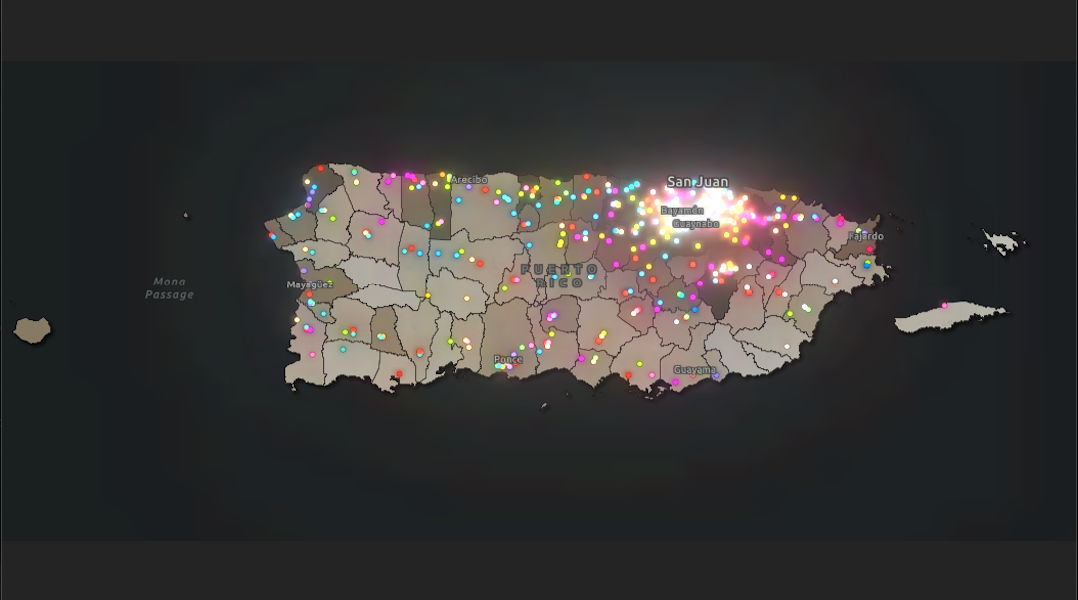
Widening Perspectives on Learning and Research Opportunities
A TSB student reflects on their time at an internship at The Learning Partnership, a company providing STEM learning programs to K-12 students in Puerto Rico.
From scientific management to data-driven labor organizing
As data is collected about workers, how does it impact them and how do they respond to it? What is the role of technology in supporting worker advocacy movements?
Crowdsourcing the social impacts of algorithms
New study uses crowdsourcing to leverage anticipatory ethics and participatory foresight, to ultimately uncover potential impacts of algorithmic decision making tools.
Delta Lab
Human computer interaction, social and crowd computing, learning sciences, civics, and more
MU Collective
Research at the intersection of information visualization and uncertainty communication, with new faculty Matthew Kay
Collab Lab
Understanding and designing systems to support group interactions and communication
Computational Journalism Lab
Studying how algorithms and automation impact the production and dissemination of news in society
People, Space, and Algorithms Research Group
Addressing societal problems created and/or exacerbated by computer science
Interactive Audio Lab
Making new tools for understanding and manipulating sound with machine learning, human computer interaction, and more
Sonic Lab
Advancing social network theories, methods, and tools to better understand and meet the needs of diverse communities
Community Data Science Collective
Studying online communities to understand how and why they can generate productive collaboration, such as Wikipedia
Social Media Lab
Studying how social media — technologies that facilitate social behavior among people — are used for work and play
Atlas Lab
Enabling the design of large, diverse, digitally-connected teams on Earth and beyond
Link Lab
Understanding and predicting group behavior in networks and socio-technical systems
Creative Interfaces Lab
Designing learning experiences, human-centered AI, explainable AI, creativity, AI literacy, computer science education, informal learning, and embodied interaction.